
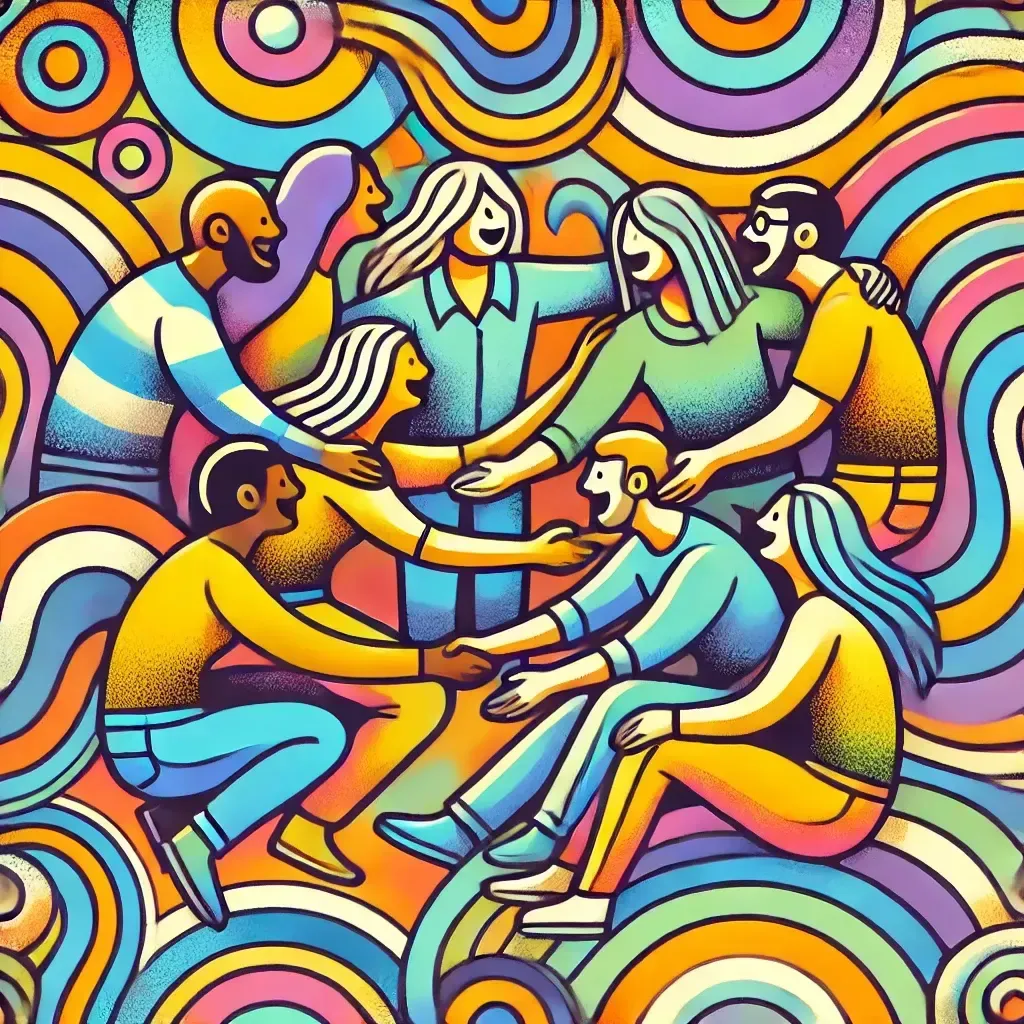
Why Connection Feels Harder Than Ever—And How to Reclaim It
Connection is something we all crave, yet so many of us struggle to find and sustain it. If you’ve ever felt like meaningful relationships are just out of reach—whether in friendships, family, or romantic partnerships—you’re not alone.
We live in a time of extreme disconnection. Our culture prioritizes independence over interdependence, productivity over presence, and quick fixes over deep understanding. Add in layers of trauma, systemic oppression, and the complexities of modern relationships, and it’s no wonder so many of us feel lost in the search for belonging.
But here’s the truth: connection isn’t a mystery, and it isn’t just for the lucky few. It’s a skill—and skills can be learned, practiced, and mastered.
For years, I struggled with my own patterns of disconnection. I spent a long time believing that closeness would just happen if I found the “right” people. What I didn’t realize was that connection is built, not found. It’s an ongoing practice—one that requires presence, intention, and a willingness to both give and receive care.
In my work as a therapist, I’ve helped countless individuals and relationships untangle the barriers that keep them from experiencing real connection. The good news? Healing is possible. You can cultivate relationships that feel safe, reciprocal, and deeply fulfilling.
Understanding the Barriers to Connection
If you’ve struggled with connection, it’s important to recognize the forces working against it. Here are a few common reasons we struggle:
1. Attachment Wounds & Trauma
Our earliest relationships shape how we show up in connections today. If you grew up in an environment where love felt conditional, chaotic, or unsafe, your nervous system may still be operating in survival mode when it comes to relationships.
This can show up as:
Fear of abandonment– You worry people will leave if you express needs or boundaries.
Difficulty trusting– You question whether people genuinely care or assume they will hurt you.
Patterns of avoidance– You keep relationships shallow or withdraw when things get too vulnerable.
If this resonates, know that your brain and body are responding in the ways they needed to in the past. But healing means learning new ways of relating—ways that don’t require you to armor up or run away.
2. Societal Conditioning & the Myth of “Needing No One”
Many of us were raised with messages that equate vulnerability with weakness.
In a culture that tells us to “suck it up” and “handle things alone,” it’s no surprise that opening up and asking for support can feel foreign.
This is particularly true for:
Men and masc folks, who are often socialized to suppress emotions.
LGBTQ+ individuals, who may have faced rejection for expressing their truth.
Anyone raised in environments where emotional needs were dismissed or ridiculed.
Unlearning these messages takes time, but the first step is recognizing them for what they are: lies designed to keep us isolated and disconnected from our own humanity.
3. Systemic Oppression & the Impact on Marginalized Communities
For marginalized folks—especially LGBTQ+, polyamorous, and kink-affirming individuals—connection comes with added layers of judgment, exclusion, and erasure.
When society tells you over and over that your identity or way of loving isn’t valid, it can create internalized shame and fear around seeking connection.
This might show up as:
Over-explaining or justifying your identity/relationship structure to gain acceptance.
Feeling hyper-aware of how you take up space in relationships and communities.
Withholding parts of yourself out of fear of rejection or judgment.
Healing requires spaces where you don’t have to explain your existence or defend your right to be loved. Finding those spaces—whether through chosen family, affirming relationships, or community—is one of the most powerful ways to reclaim connection.
The Path to Authentic Connection
The good news? You don’t have to stay stuck in these patterns. Healing is possible. You can cultivate relationships that feel safe, reciprocal, and deeply fulfilling.
Here are three foundational steps to start shifting your relationships today:
Step 1: Name Your Needs
You deserve relationships that honor your emotional needs—whether that’s consistency, clear communication, or space to process feelings without judgment. But to have those needs met, you first have to name them.
Consider:
What do I need to feel safe in relationships?
What does emotional intimacy look like for me?
How do I know when I feel truly seen and understood?
Naming your needs is not a demand—it’s an invitation for deeper connection.
Step 2: Learn to Regulate Your Nervous System
Healing attachment wounds and trauma isn’t just about changing thoughts—it’s about changing how your body experiences connection.
If your nervous system has been wired to associate relationships with stress or danger, moments of intimacy may feel overwhelming. You might instinctively withdraw or feel too much.
Some tools to help regulate:
Breathwork: Try a simple 4-7-8 breathing technique (inhale for 4, hold for 7, exhale for 8).
Somatic grounding: Place a hand on your chest and remind yourself: I am safe. I am allowed to be here.
Movement: Gentle stretching, walking, or even shaking your hands out can help release tension.
When your body feels safe, connection becomes easier.
Step 3: Start Small—Connection Happens in Micro-Moments
Connection isn’t about big gestures—it’s built in small, consistent moments of presence.
Try this today:
Send a check-in text to someone you care about.
Make eye contact and smile at a loved one.
Let yourself receive kindness without deflecting or minimizing it.
These micro-moments send a message to your nervous system: connection is safe, and you are worthy of it.
A Reminder: You are worthy of love, support, and belonging—just as you are. Let’s build it together.
In joy and connection,
Sander T. Jones, LCSW
Founder of Cultivating Joy
✨Author of Cultivating Connection✨


