
The Ghosts of Boyhood
[A note on gender inclusivity - Everything I’ve written here applies to cis-men, transmen, nonbinary people, and anyone who internalized masculine gender socialization. It can also apply to people others identified as men or boys, but they themselves didn’t feel they were men or boys.]
Before boys are told to "man up," before they are taught to mask their feelings or compete for dominance, they are tender. Emotional. Expressive. Loving.
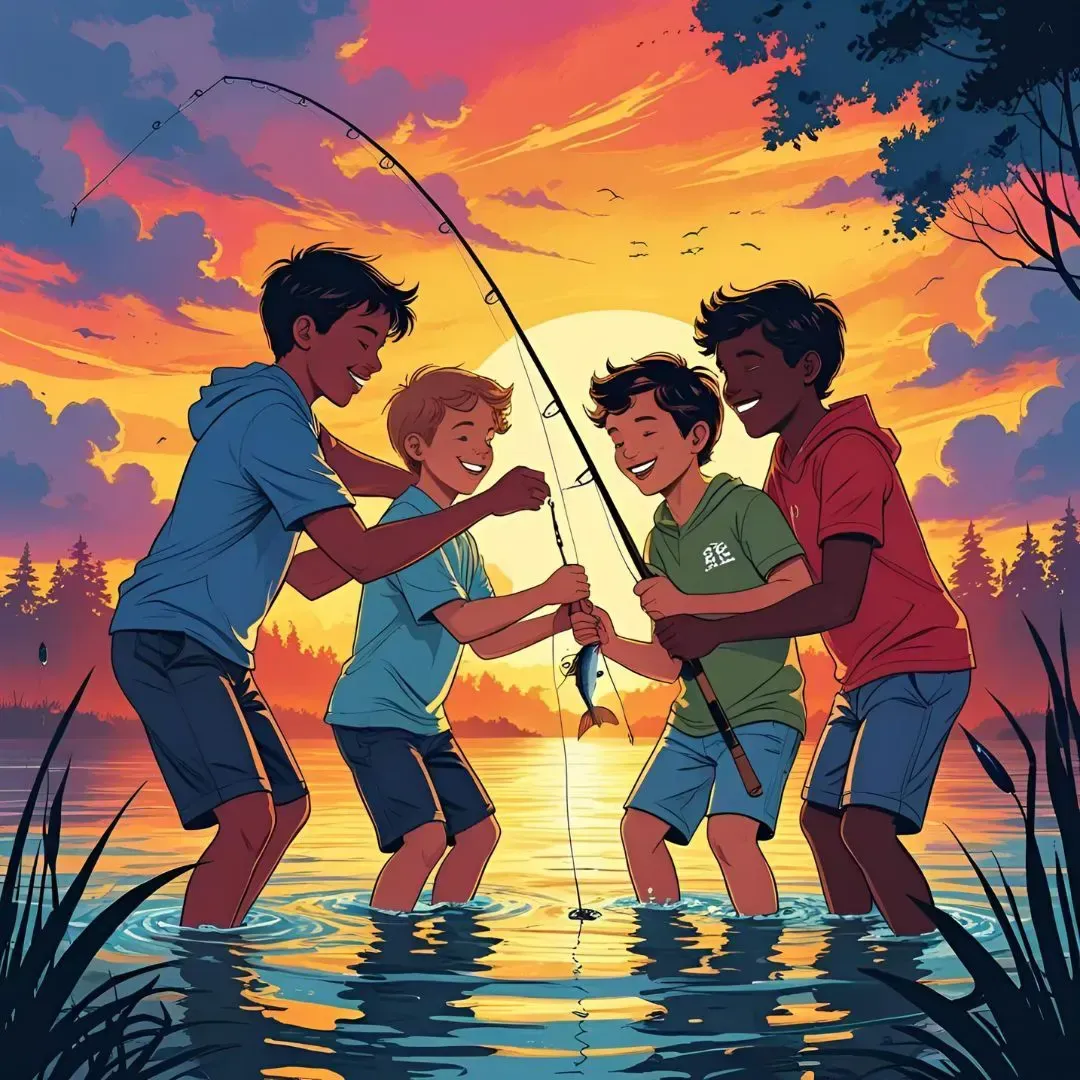
They cry easily. They laugh freely. They hold hands with friends. They share secrets. They are deeply attached to their caregivers and their peers.
In early childhood,boys are just as emotionally rich, relationally attuned, and vulnerable as any other children. They live through their feelings, and they don’t yet know shame for doing so.
And then, puberty arrives — and with it, the crushing machinery of male gender socialization.
From Warmth to Withholding
Research has shown that in early childhood, boys aremore emotionally expressivethan girls. They show distress more openly. They seek comfort. They are physically affectionate with friends.
But by adolescence, something dramatic shifts.
Suddenly:
Crying is “for girls.”
Tenderness is “gay” (used as a slur).
Emotional honesty is mocked.
Friendships become competitive rather than intimate.
Boys who express care are ridiculed or rejected.
This shift isnot natural. It is taught. Enforced. Policed by peers, adults, media, and culture.
And it comes with a cost:Boys lose something precious.They lose access to their inner worlds, and to the friendships that once sustained them.
The Unspoken Grief of Boyhood
What happens to all that emotional richness? All that affection and closeness?
It doesn’t just disappear — it becomesgrief.
Grief for the best friend they used to hug without thinking.
Grief for the softness they were once allowed to feel.
Grief for the ease with which they once loved and were loved.
This grief is almost never acknowledged. Boys are rarely given language for what they’ve lost — or permission to mourn it. So it becomesunconscious, unresolved trauma.
Instead of expressing grief, they learn to:
Numb out
Turn their pain into sarcasm or aggression
Distrust intimacy
Seek status or performance as substitutes for love
By adulthood, many men don’t even remember what they lost — they just know something feels missing.
Trauma by Social Design
As trauma expert Resmaa Menakem teaches, trauma is not just what happens to us — it’s what happens inside us, especiallyin our bodies, when we’re forced to shut down parts of ourselves for survival.
When boys are shamed for being soft or expressive, their nervous systems register those moments asthreats. Fight, flight, or freeze kicks in. Over time, that trauma response becomes hardwired.
So later in life, when they’re asked to be vulnerable — in a relationship, in parenting, in friendship — theirbodies react with resistance. Not because they’re incapable, but because the path back to openness feels threatening and runs through a field of buried grief.
These Are Not Small Losses
This isn’t just about missed hugs or childhood memories. These losses shape a man’s entire emotional architecture:
They influence how (and whether) he forms deep adult friendships
They impact his ability to show up fully in romantic relationships
They shape how he fathers, how he apologizes, how he heals
They even affect his health — emotionally, physically, spiritually
And the worst part?No one talks about it.Men are encouraged to “work on themselves,” but rarely invited to grieve the boy they had to abandon in order to be accepted “as a man.”
Reclaiming the Boy Within
Healing begins when we stop pretending this loss didn’t happen. When we let men say:
“I used to love more easily. I used to feel safer being close. I lost that somewhere along the way. And I want it back.”
Reclaiming emotional fullness means honoring the boy who once felt freely, and mourning the loss. It means choosing to oppose a culture that told him, and continues to tell him, that feeling makes him less of a man.
This grief is not weakness. It is a map. A compass. A return.
If You Identify With This
Ask yourself:
Who was your best friend when you were little?
When did it stop being okay to be close?
What did you have to bury to be accepted?
What would it look like to grieve — and reclaim — that part of you?
You are not broken. You were trained to forget. But forgetting is not the same as healing. And healing is still possible.
Thanks for reading. If this resonates with you, share it. To step outside these systems is to invite the healing all of humanity needs.


